I believe humanity’s next great leap will be driven not by technology alone, but by our collective ability to institutionalize goodness.
I did not arrive at this belief in a boardroom, or in a library. I arrived at it slowly, over six decades, along a road that began in a mud house in rural Uttar Pradesh.
Looking back, I can only call it destiny. I have always felt like a child of destiny and of blessings. A boy from a village who would one day become the youngest CEO of a large multinational company in India was beyond anything I could have dreamed. But destiny only opens doors; you must be attentive enough to walk through them. This is the story of both.
The Room Where It All Began
I was born on a winter night in the warmest room of the house, the one normally kept for storing fodder for the cattle. There was no electricity. There was not even a lantern. A small kerosene lamp, which we called a dibiya, flickered through the hours of my birth.
My family was poor, truly poor. My parents had been married at fourteen and twelve; my mother was seventeen when I was born. My father was still studying, and my grandfather, for all his love, could not afford to educate all his children. My father went on to become the first graduate engineer of his village, and joined the Irrigation Department as a civil engineer.
I do not tell this for sympathy. I tell it because every institution I have built since was shaped by what that room taught me: that circumstances are not destiny, and that one determined person can change what is possible for everyone who follows.

A School Under a Mango Tree
My father’s postings took us through the small towns of Uttar Pradesh, and so did my education.
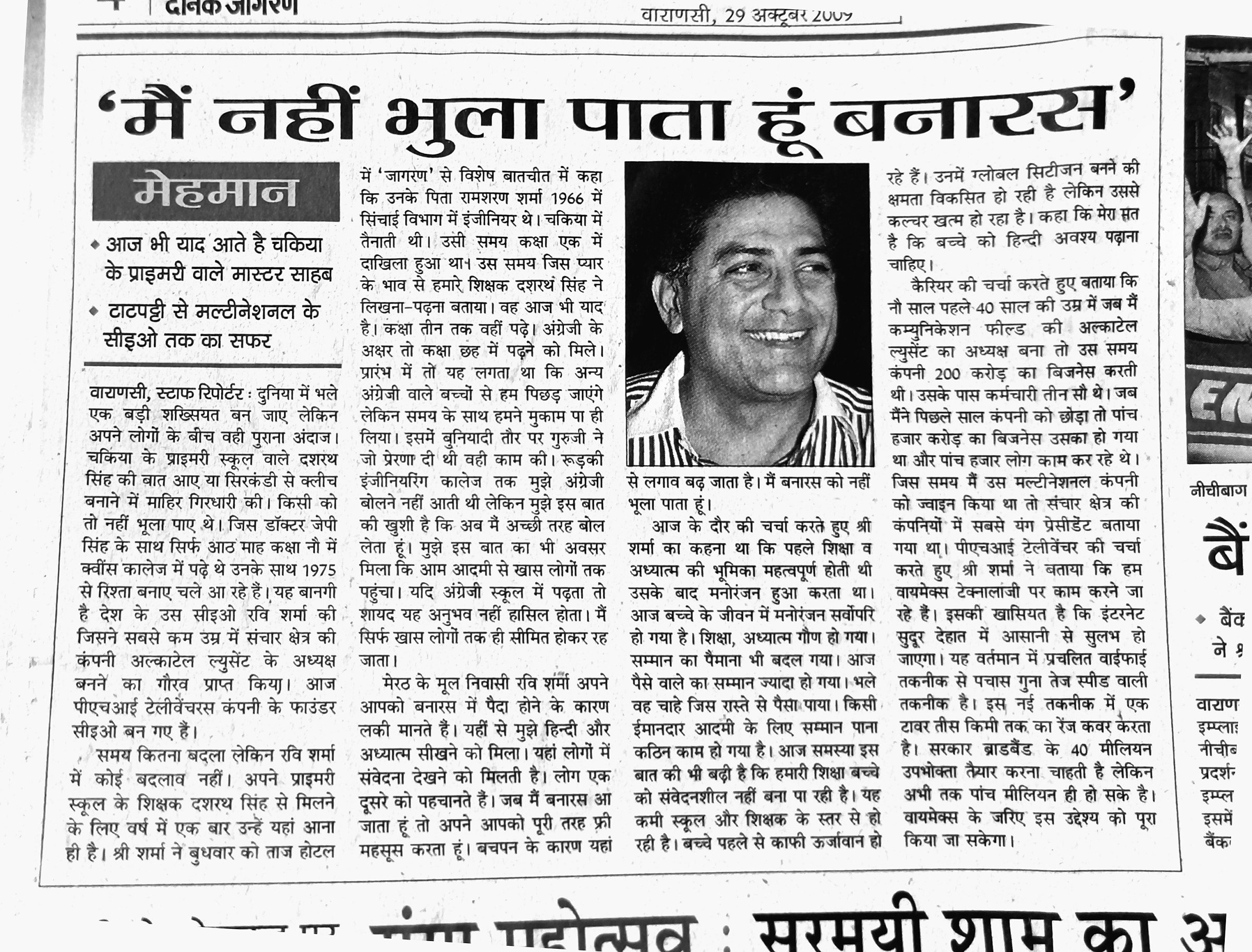
My schooling began in Chakia, then in Mirzapur district, near the Bihar border, about sixty kilometres from Banaras. The school was a mud building with a few rooms, and for Classes I to III, my classroom was a mango tree. Each morning I carried an empty gunny bag to sit on, a wooden slate, and ink, and a pen I made myself from sarkanda reed. I learned the Hindi alphabet there.
I remember those years not as deprivation but as freedom. I wandered alone through mango orchards to a temple where the Ramleela was staged, and sat there until late into the night, spellbound. There was no fear in those days.
Then came Nagina, in Bijnor district, and a tiny Montessori school where I met the English alphabet for the first time. It was also where my shyness began to melt. I sang, I acted in school plays, I played gulli-danda and flew kites, and I discovered that I loved being among people.
Summers in the Fields
Every summer we returned to the villages, especially my maternal grandfather’s. There I lived the life of any village boy: riding buffaloes, travelling by buffalo cart, grazing the cattle, working in the sugarcane fields, cutting grass for the animals in the evening. At night we slept under the open sky, listening to my grandfather and uncles tell stories beneath the stars.
Those summers continued until I finished school. The journey itself was an adventure, from Banaras to Delhi, Delhi to the town, the town to the village, and the last stretch on foot. Those memories are still so vivid that they keep me tied to the roots of India, wherever life has taken me.
Varanasi: A World Opens Up
When my father was posted to Varanasi, I joined Queen’s College for Classes VI to VIII. My world widened. I played cricket, football, kabaddi and volleyball, and learned to move easily among all kinds of people.
A stadium stood next to our colony, and one day Prime Minister Indira Gandhi came to speak there, shortly after the 1971 war. I was so moved that I wrote her a letter on my own, telling her how much I had liked her speech. A few days later an envelope arrived from her office, with a signed photograph. A schoolboy from a small colony had been heard. I have never forgotten what that did for my sense of what was possible.
It was also in Varanasi that a man who accompanied me to school, a household helper, recited the Hanuman Chalisa every day. I began to listen, then to memorise it. That was the beginning of my lifelong devotion to Hanuman.
On weekends, my father inspected canals and dams across his territory, and we often went along, in a jeep with a trolley carrying everything needed to cook at remote dak bungalows. Many had no electricity; someone outside pulled a rope to work the hand fan. While he examined the engineering works, we bathed in the water and ran through the hills. It was a childhood spent in the company of nature.
Barabanki: The Boy Who Woke at Four
If one place changed me, it was Barabanki.
There, badminton became serious. I played cricket, billiards and football too, but badminton took over. I captained my district, then the entire Faizabad region, six districts in all (Barabanki, Sultanpur, Faizabad, Pratapgarh, Bahraich and Gonda), and went on to play in major tournaments for the Uttar Pradesh boys’ badminton team. Unorganised play turned into discipline, and with it came a new seriousness about studies.
Because sports consumed my afternoons, I woke at four every morning and studied until half past eight. It worked. I passed Class X with first-division marks and, in Class XII, made the merit list for Barabanki district.
Government Inter College, Barabanki taught me a lesson I still carry: nothing competes with anything else, as long as you give each thing your full concentration in its own time. Sport never competed with my studies. Each simply needed its own focus, and both could flourish.
Sport also showed me something about myself: I come alive among people, organising them or being part of them. That mix of discipline and people orientation would later lead me to sales and marketing.
Two Colleges and a Stranger on a Train
My father wanted me to join the IAS. I wanted to be a sportsperson. For a year I trained as a badminton player under professional coaching at the KD Singh Babu Stadium in Lucknow, until one day, seeing at close quarters what life looked like even for a state champion, I changed course and decided to become an engineer.
My first admission was to Hazratbal Regional Engineering College in Srinagar, now NIT Srinagar. I stayed a few months. Then I moved to Madan Mohan Malaviya Regional Engineering College in Jaipur, now MNIT Jaipur.
And then a stranger changed my life.
On the train to Srinagar for my admission, my father fell into conversation with a fellow passenger. As the train neared Roorkee, the man asked where he was taking his son. “To Srinagar for admission,” my father said. The man replied that the best students compete for Roorkee, and it is only those who can do nothing else whose parents get anxious.
Those words stayed with me. My father was himself a Roorkee graduate. Right there on the train, I decided: I would study at Roorkee. The next year, from Jaipur, I took the entrance exam and was admitted to Electrical Engineering.
That decision taught me a principle I have lived by ever since: whatever you merely try may or may not happen, but whatever you truly decide, happens. And if it is not happening, you have not yet decided. I decided on a train, and a year later I was at Roorkee. The same principle carried me through every step that followed, all the way to becoming the youngest CEO of a large multinational company in India.
Those two short stops were precious in their own way. Srinagar is where I fell in love with a place, and where I began writing poetry. I changed three buses every day to reach a badminton court, and walked back at night along the road between Dal Lake and Nagin Lake, singing Kishore Kumar songs under clouds and moonlight. In Jaipur, I discovered city life, films and friendships.
Roorkee: Lessons in Load
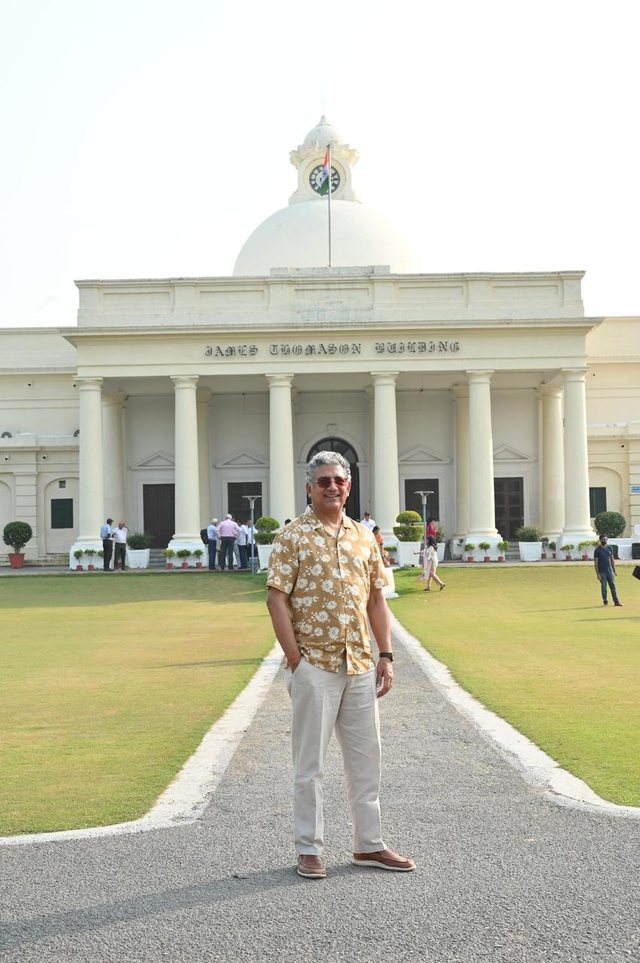
The University of Roorkee, now IIT Roorkee, was where everything came together. I captained and served as secretary of the badminton team from my second year, acted in plays, wrote poetry and stories that appeared in the hostel and annual magazines, inspired above all by Harivansh Rai Bachchan, and became the student editor of the Hindi section of Lion, the annual magazine. Being a team leader taught me to make friends well beyond my own class, including among seniors.
During an internship in Ghaziabad, I learned all about induction motors, and one lesson from them became a rule for my life: a motor reaches its maximum efficiency at full load. So do people. We are at our best when we are constructively loaded, when we carry real responsibility and keep stretching ourselves.
In those years I read Harivansh Rai Bachchan’s Neer Ka Nirman Phir and, quite differently, The Godfather. Three lines from that reading became the foundation of my character:
- Nothing, absolutely nothing, is the end of life.
- Sentiments without commitment are like words without meaning.
- Every man has one destiny.
The first carried me through every setback. The second taught me that before I express a feeling, I must be ready to take responsibility for it. The third gave me my faith in a larger design.
That internship gave me one more gift. I lodged with a South Indian family; I spoke no English and they spoke no Hindi. The lady of the house loved the songs of Hemant Kumar and would ask me to translate them into English for her. With my tiny vocabulary, I tried. Within two months I could speak reasonable English, and she, reasonable Hindi. I learned that human warmth is the fastest teacher.
I graduated in Electrical Engineering in 1984.
Many Wrong Doors
Nobody in my family had ever worked in the private sector, and I had no guide. I had watched my father struggle under unprofessional pressure in government service, so I was sure of one thing: not government.
So I tried everything. A job in research and development lasted fifteen days. Air-conditioner manufacturing, much the same. Project management, which I liked, wanted me to sign a bond, so I left. Maintenance in a tractor company lasted a couple of months. Every one of them taught me what I was not.
Then I found sales and marketing, and knew at once I had found my place: people, persuasion, problems to solve and results you could measure.
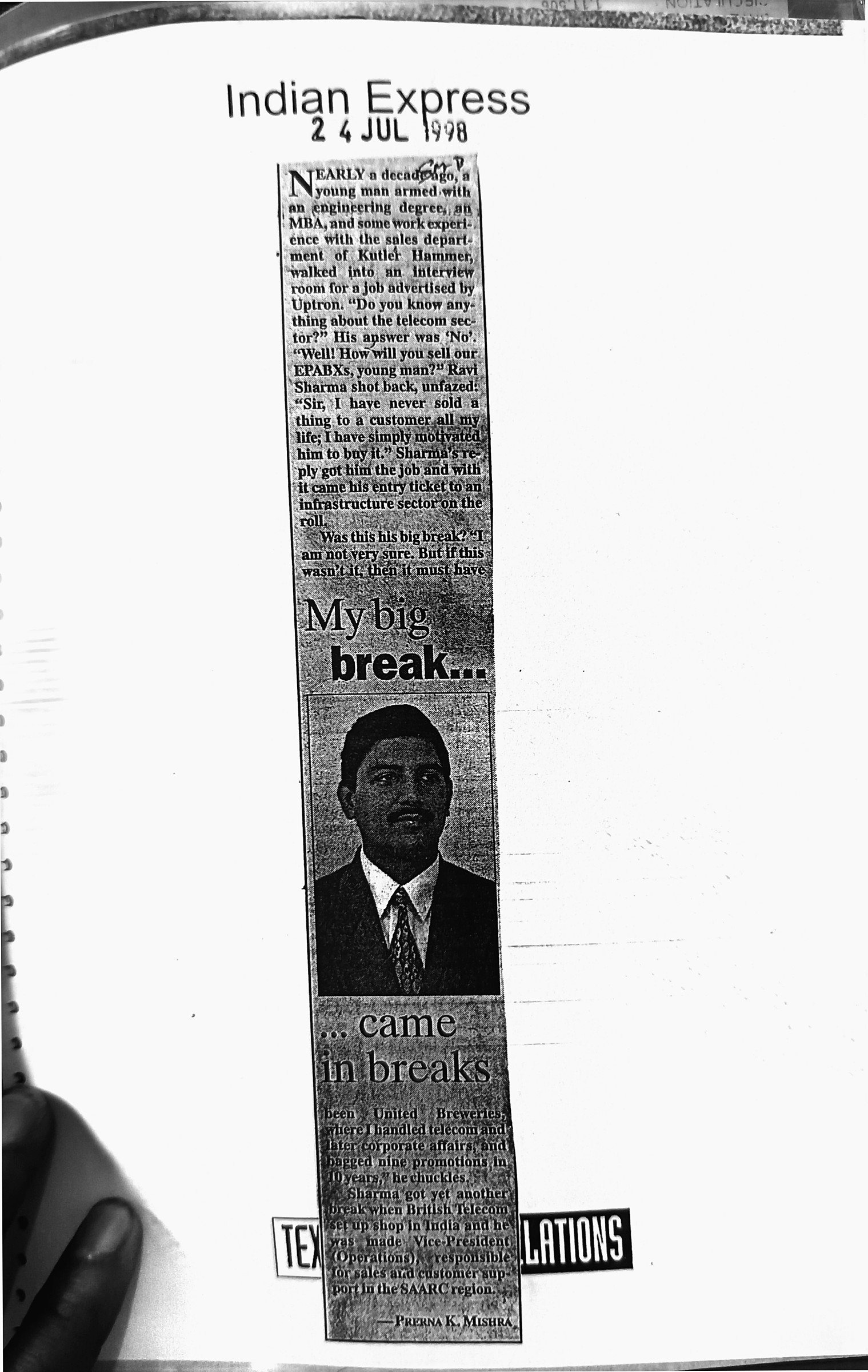
Missing Lucknow, I applied to Uptron, the largest company in that city, and the moment I was selected I resigned from my job. Two months later the appointment letter arrived: I was posted to Delhi. But with the posting came a twist of fate. They put me in the telecom division, a brand-new venture. That was how I entered telecommunications, just as the industry in India was being born.
I have often thought about that moment. A letter that sent me where I did not want to go, and a division that hardly anyone yet understood, became the career of a lifetime. Every man has one destiny, I had read in The Godfather, and I believe that is how it works: destiny sets the course, but you must be attentive enough to make the best of it.
Building Telecom
I moved from there to Unitel Communications, part of the UB Group, and over seven years was promoted almost every year. That drew the attention of the group’s top leadership, and I spent two years in the chairman’s office overseeing the corporate affairs of a conglomerate of more than a hundred companies, from pharmaceuticals and fertilisers to electronics, food and beverages. It was a master class in how large enterprises really work.
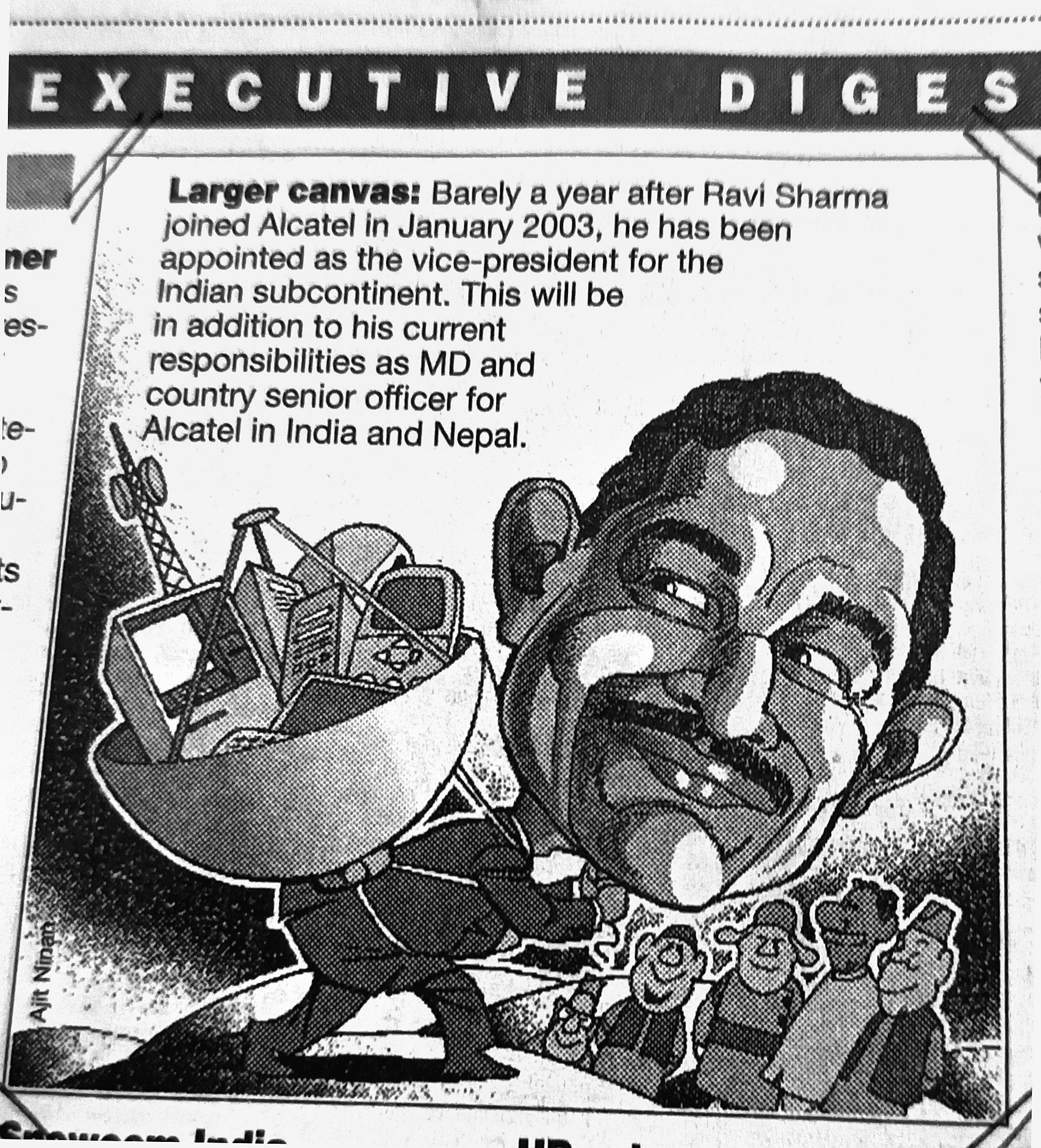
When British Telecom opened its India operations, I joined as Deputy CEO for South Asia. Three years later I moved to Alcatel, first to lead its satellite business in Asia, and then as Managing Director for South Asia. Between 1999 and 2008, the business grew more than twentyfold in its first four years and close to thirtyfold over my tenure, becoming the fastest-growing and one of the most influential telecom companies in the region. When Alcatel merged with Lucent, I became the first President of South Asia for Alcatel-Lucent.
I then served as CEO of Videocon Telecom, building a pan-India mobile business through a turbulent period for the industry. My last corporate chapter was at the Adani Group, as CEO of Adani Power, and with group-wide responsibility for communications, branding and business transformation across power, ports and mining. The group’s current brand identity was created under my leadership.
By 2012 I had spent more than 28 years in corporate life, over 14 of them as CEO.


Beyond the Boardroom: Curiosity as a Way of Life
I have always believed there are only two kinds of people in the world: those who can do it, and those who have done it. Wherever I found a chance to cross over from the first to the second, I took it, simply to learn.
While I was British Telecom’s spokesperson in South Asia, a television producer asked whether I would anchor his shows on DD Metro. I said yes, and hosted them for about six months. It was my first real education in television.
Curiosity led further. I modelled for Raymond’s well-known The Complete Man campaign, acted in advertisement films for Mitsubishi and Nikon, and appeared in a few web series, each time to understand cinema and the camera from the inside.
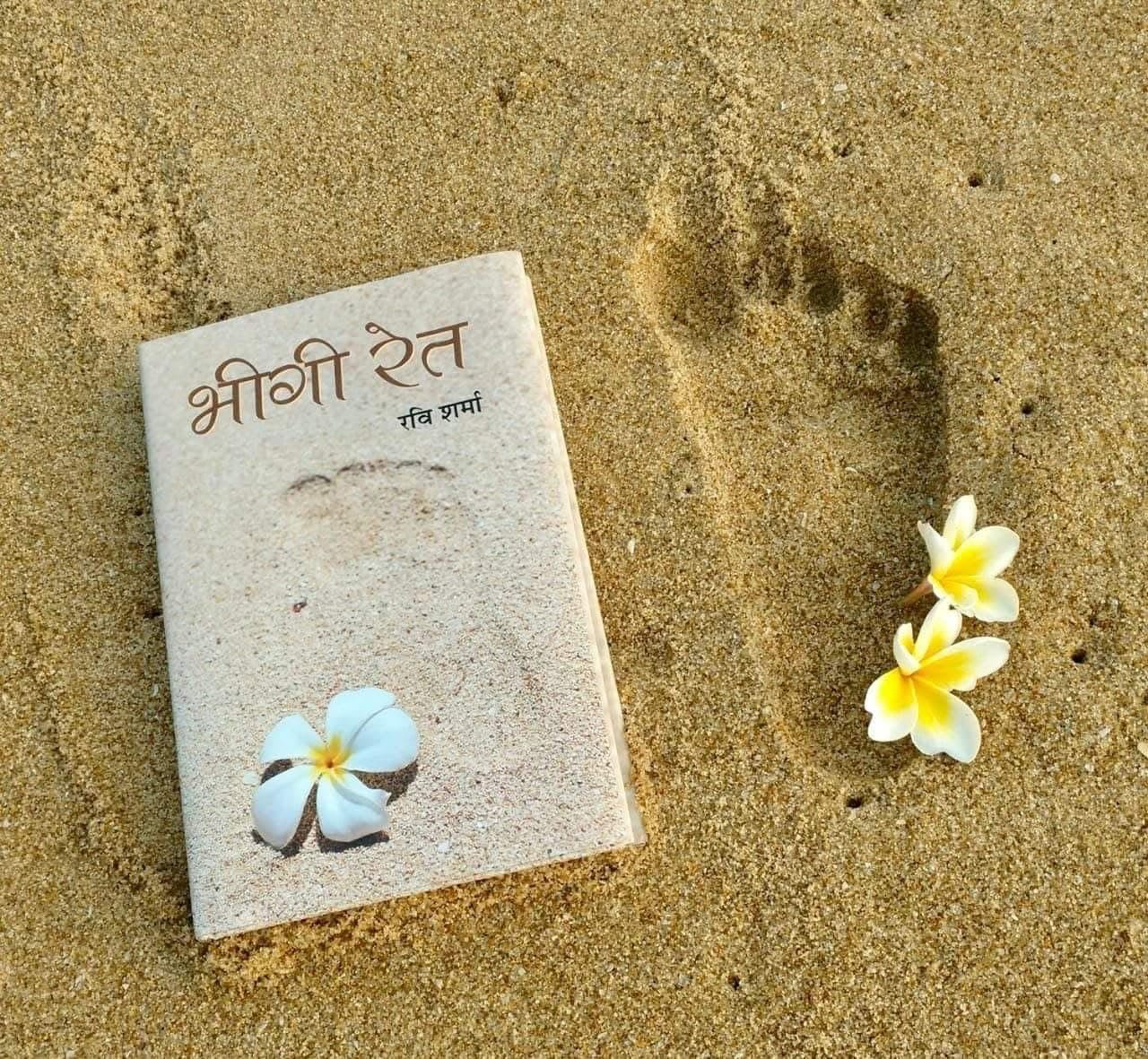
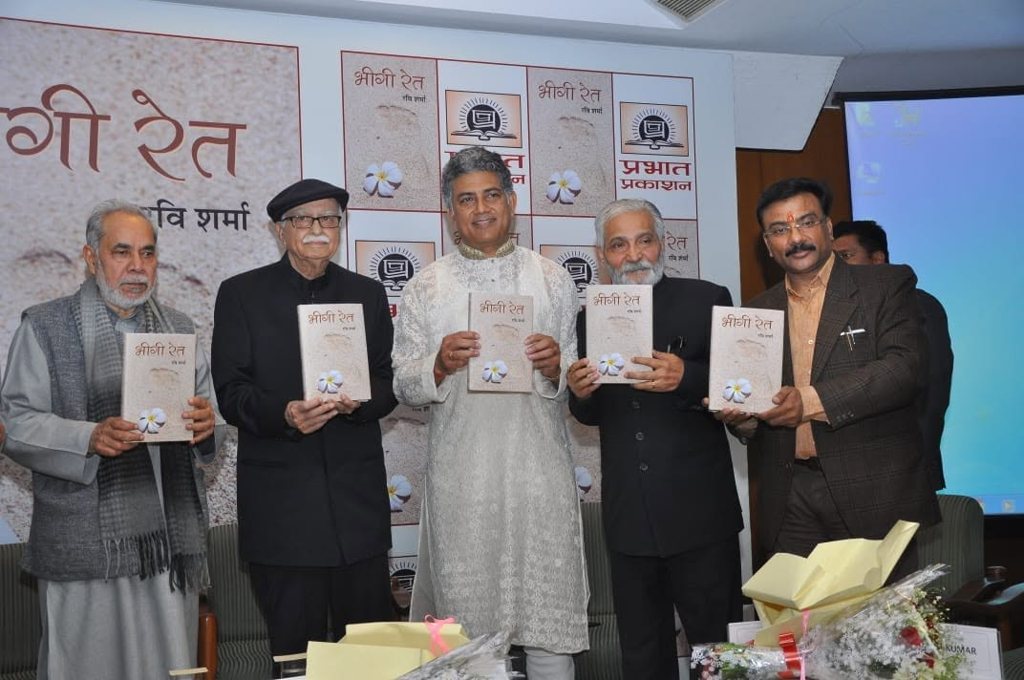
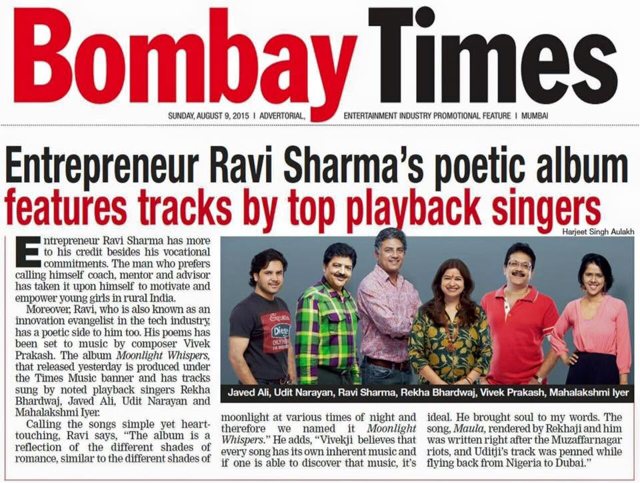
And through it all, I kept writing. In 2015, Times Music launched Moonlight Whispers, an album of my songs sung by Udit Narayan, Javed Ali, Mahalakshmi Iyer, Rekha Bharadwaj and Vivek Prakash. During the pandemic I wrote Jeetenge Hum, recorded remotely by ten singers to music by Vivek Prakash, which became hugely popular on television. In 2018, my poetry collection Bheegi Ret was launched by L. K. Advani, former Deputy Prime Minister of India, who also wrote the poet’s introduction, the only book for which he has done so. I still write poetry and stories today.
At Fifty, a Different Question
I had achieved what I once dreamed of. And then, around my fiftieth year, one question would not leave me: Is this all that success means?
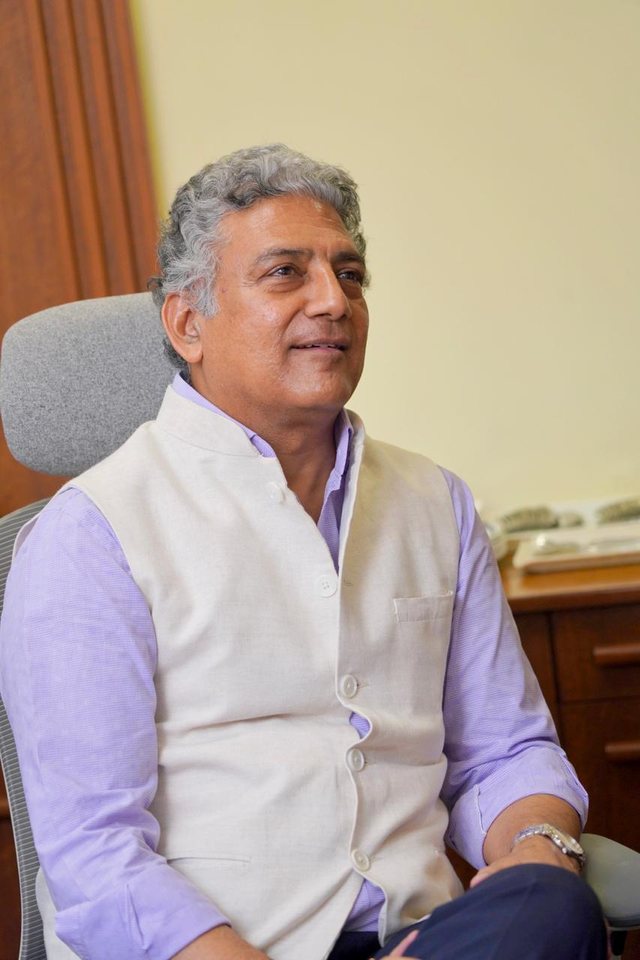
I chose to step away from corporate life to spend the rest of my life helping my country and the world solve some of their basic problems. It was not a rejection of my corporate years. Those years gave me the experience, the relationships and the discipline to pursue a bigger purpose. I wanted to apply everything I knew about building businesses to building a better society.
Saplings of Goodness
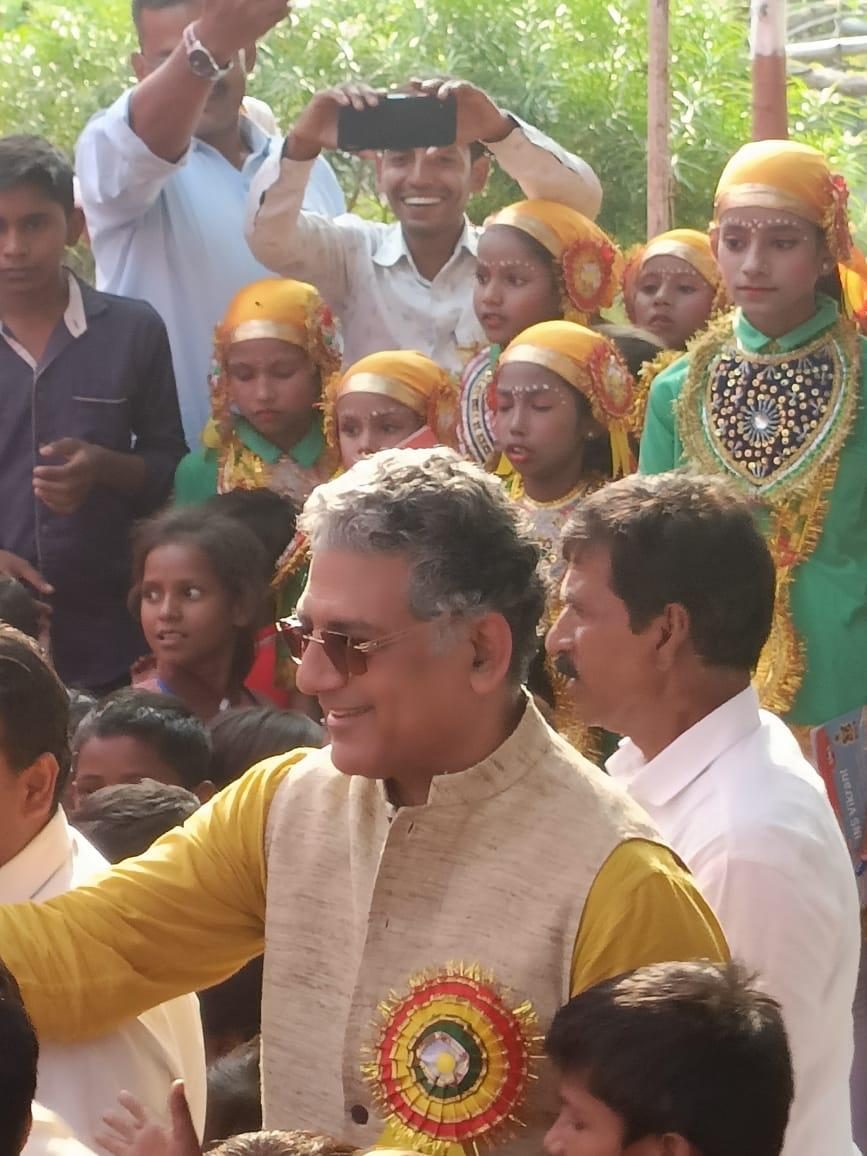
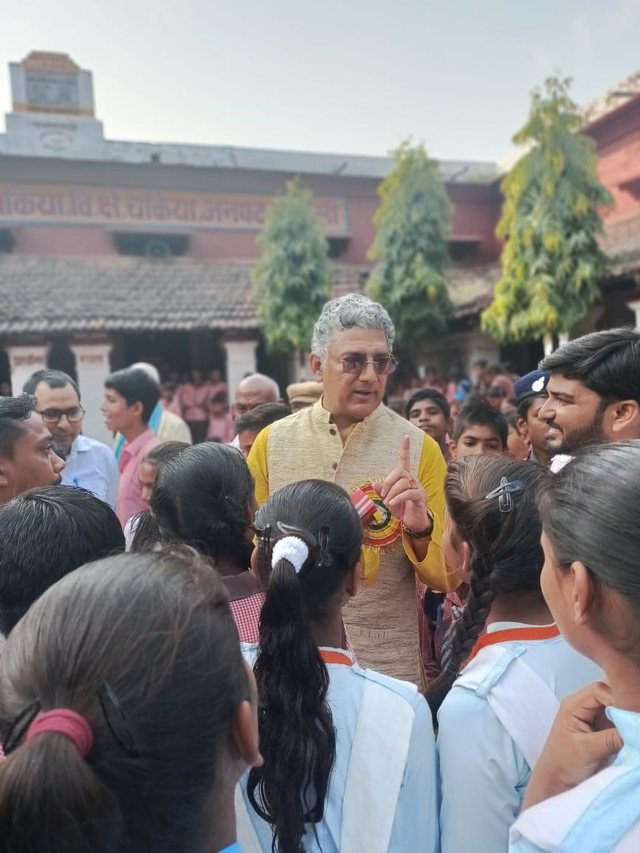
I began with education: adopting schools and colleges, rebuilding them, adding teachers, laboratories and curriculum. And, in a way I had not planned, it took me home. The primary school in Chakia, where I had once sat beneath a mango tree with a gunny bag and a wooden slate, became a school I adopted through Mission Chetna (now Seeds of Goodness), today serving some 1,200 children. The teacher who gave me my first alphabet had once looked after that school. The circle had closed.
But after three or four years, I realised that better buildings and better labs were not enough. The deepest problem, in India and in the world, was the shrinking of goodness itself.
So how do you grow goodness? I thought of how we save a forest: you protect the large trees, but you must also make sure the small saplings do not die. So I began to look for committed individuals, the saplings of goodness, and to support them emotionally, morally and financially, and to train them until they could stand as independent NGOs. Through the Institute of Goodness, Mission Chetna (now Seeds of Goodness) and associated initiatives, I have created, nurtured and supported more than 70 NGOs, reaching over 10 million lives across about 11 states, in education, leadership development and community empowerment.
By 2022, a new question had formed. Goodness by individuals was powerful, but it was fragile. How do you make it outlive any one person?
The Institute of Goodness
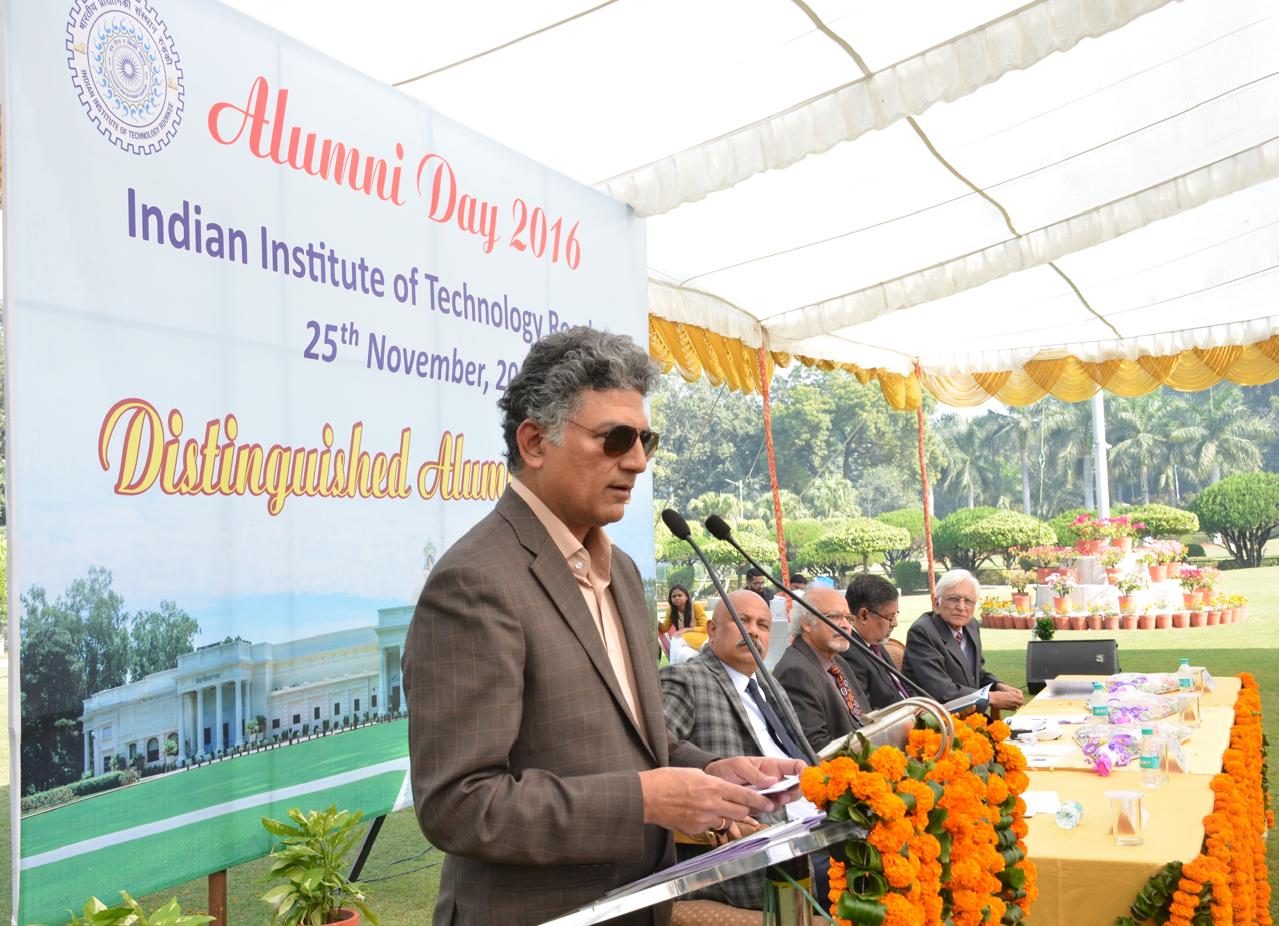
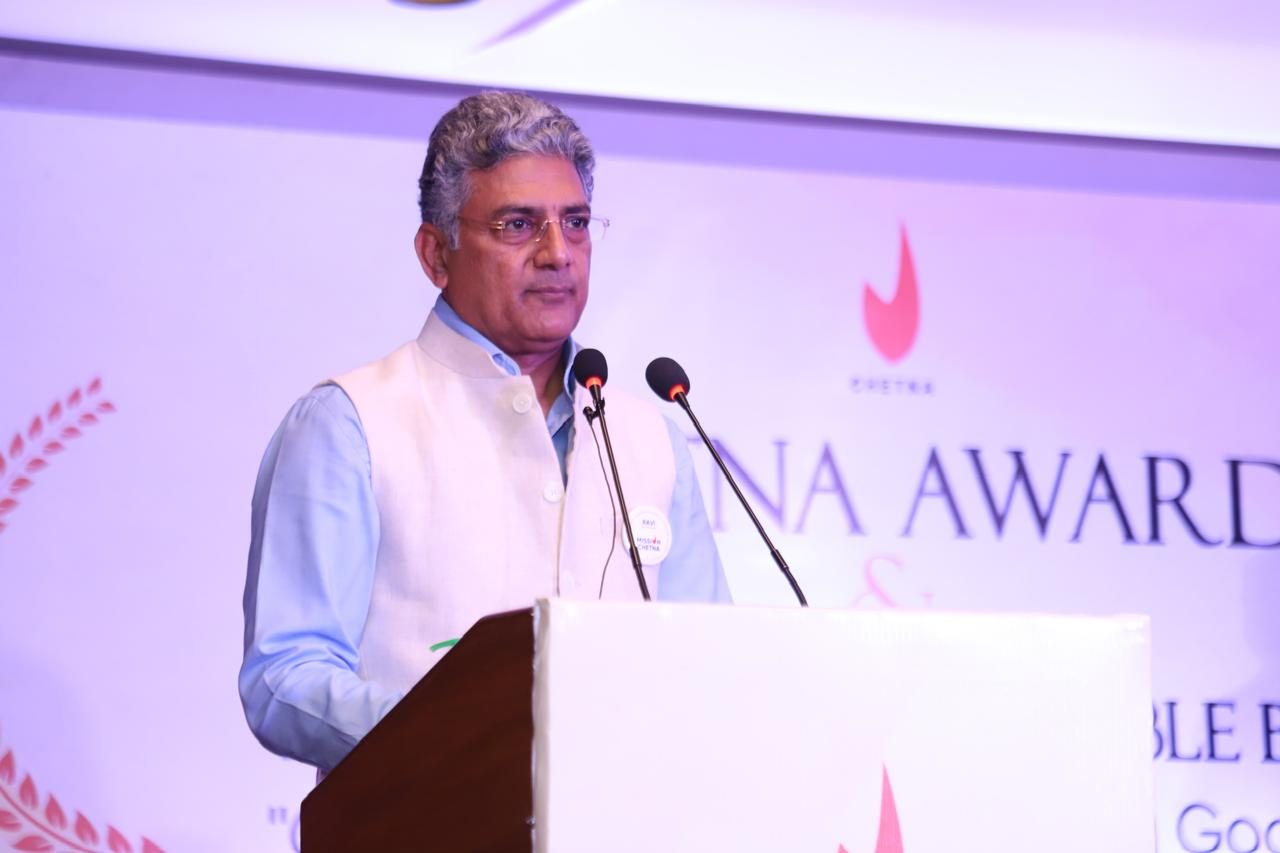
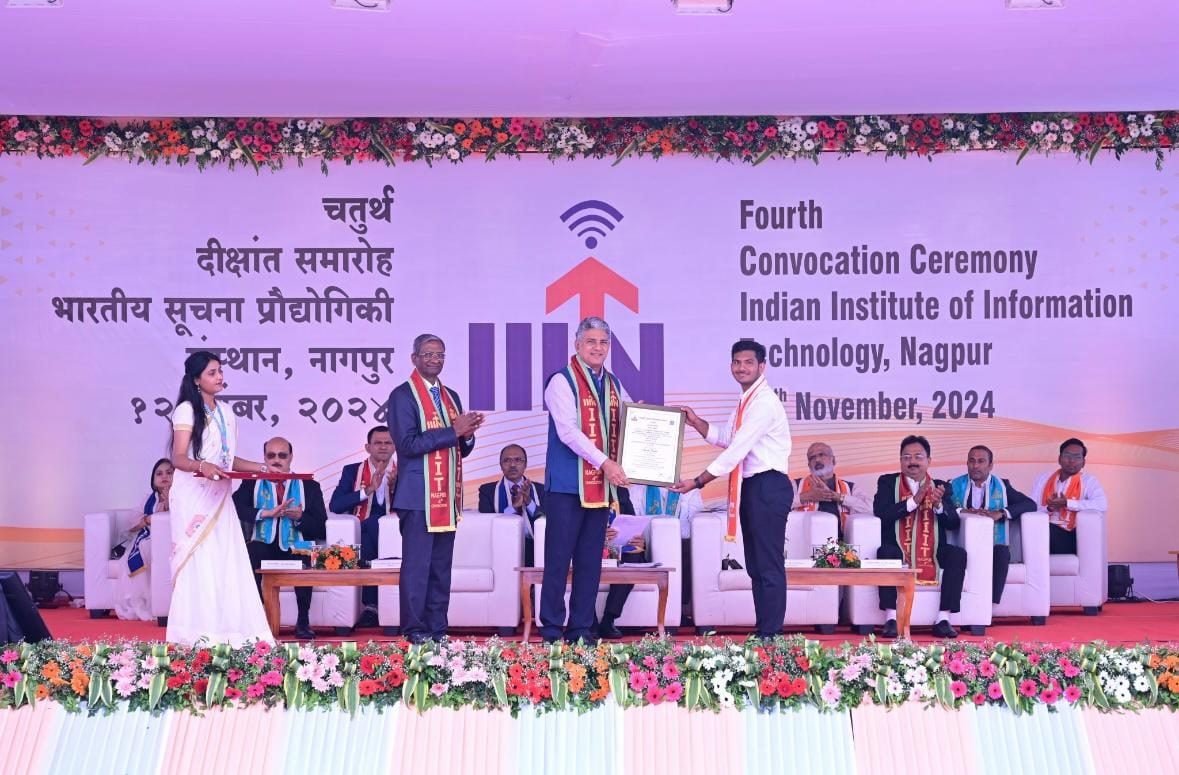
My time as Chairman of the Boards of Governors of IIIT Una and IIIT Nagpur, appointed by the President of India, gave me a close view of academic institutions. As Founder of the IIT Alumni Council, I had already seen what happens when tens of thousands of people, over 50,000 IITians, rally around nation-building at the meeting point of technology, innovation and finance. The idea of the Institute of Goodness took shape in 2024, and in early 2025 the Institute of Goodness (IoG) was born.
Its proposition is simple and ambitious: goodness should not remain a private virtue or a moral aspiration. It should be measurable, teachable, scalable and institutional.
- The Goodness Index™ is a framework for understanding goodness through five virtues: integrity, compassion, responsibility, respect and stewardship.
- Personal Social Responsibility (PSR) extends responsibility beyond corporations and governments to every single individual, for a better society finally depends on how each of us chooses to act.
- Our work on Character Infrastructure and the Character Dividend argues that roads, networks and economies enable development, but it is the character of people and institutions that decides whether development lasts.
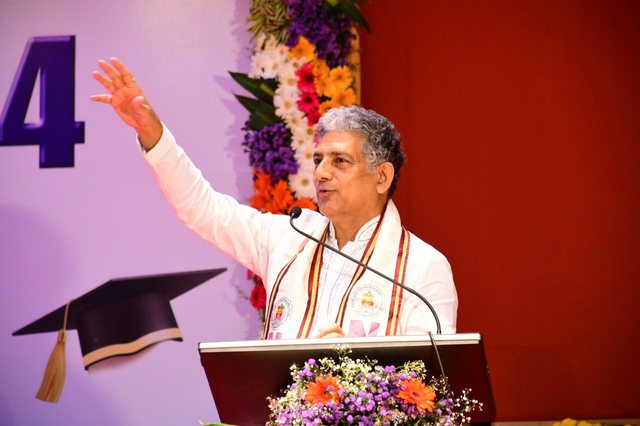
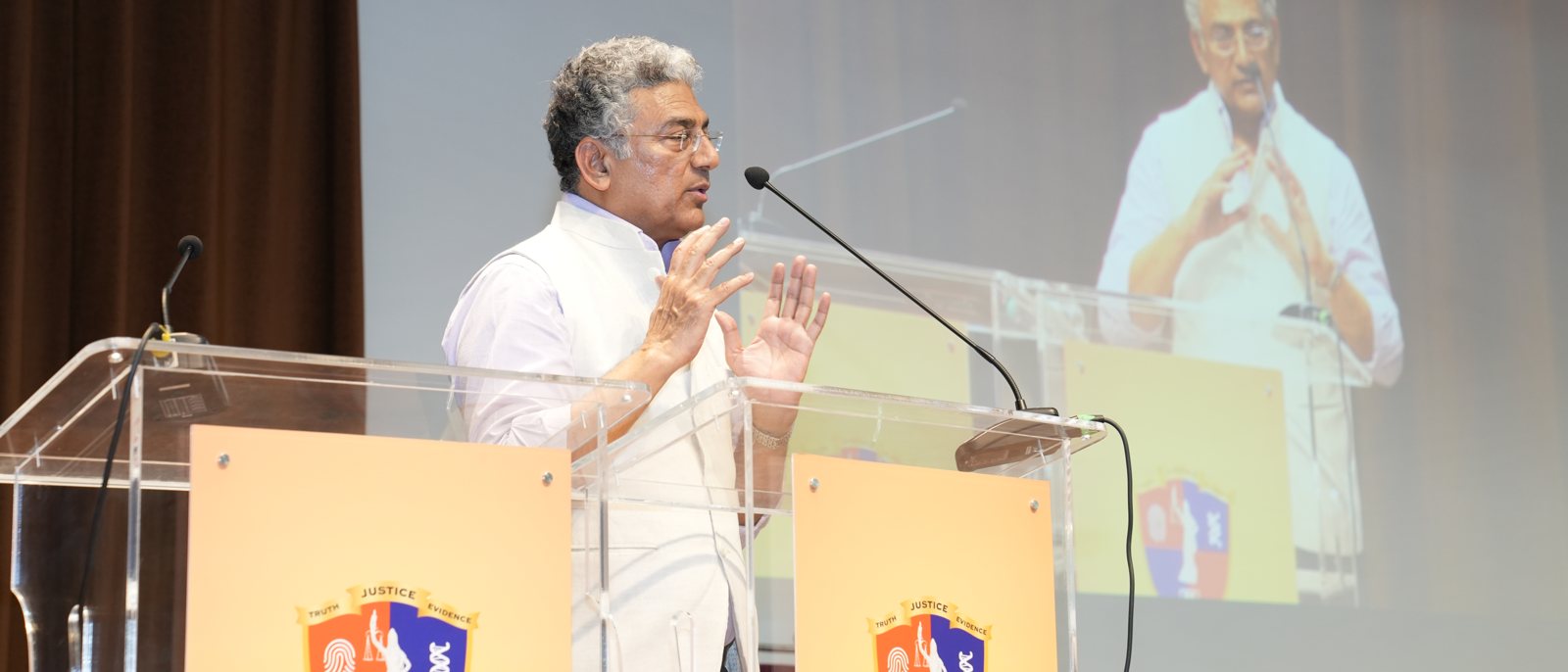
- At IIT Hyderabad, the first academic credit course on goodness has drawn more than 140 students from across disciplines who chose to join it.
For me, that last fact carries enormous meaning. An idea that began with a question about the limits of conventional success now has a home in the classrooms of one of India’s finest institutions.
Redefining Success
My career taught me performance, efficiency and results. My years of service taught me that these do not automatically bring trust, harmony or happiness. A nation can grow richer without growing kinder. A person can rise to great heights and still feel empty.
The real challenge is not to choose between success and goodness. It is to redefine success so that goodness is part of its very meaning.
The Journey Continues
When I look back, I see a thread running through everything: a kerosene lamp, a mango tree, a badminton court, a stranger on a train, an induction motor, a boardroom, a village school I adopted sixty years after I first sat in it. The village taught me connection. Sport taught me discipline. Education taught me to question. Business taught me to build and scale. Service taught me the power of commitment. Each prepared me, in ways I could not have foreseen, for the next.
Through all of it, I have felt like a child of destiny. I have always received more than I deserved and far more than I needed, and I count that as blessing. What life has given me was beyond my dreams. All I can say is that destiny gives each of us a path; our part is to stay attentive, recognise our moment, and use it well.
Today I no longer measure myself by the size of the organisation I lead or the results it posts. I measure myself by one question: will what I am building outlive me, and will it make humanity better?
My vision is a world in which goodness becomes the invisible infrastructure of sustainable human progress.
If even a part of that can be turned into lasting institutions, then the journey from a mud house in rural Uttar Pradesh to a mission for humanity will have been worth every step.
The journey continues.
— Ravi Sharma